

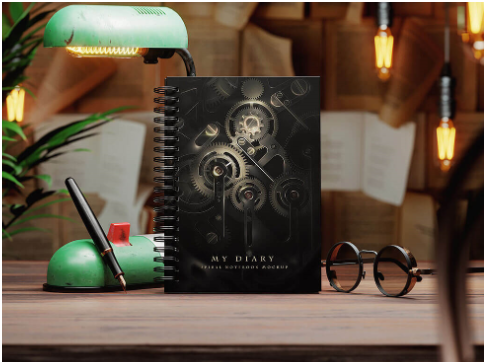
Preserving custom notebooks is not merely about safeguarding pages filled with memories and ideas; it’s about conserving a piece of personal history. These notebooks often hold sentimental value, containing sketches, writings, and musings that reflect the creator’s personality and journey. Proper archival techniques ensure these treasures withstand the test of time, allowing future generations to glimpse into the past. Here’s a comprehensive guide on how to archive and preserve bespoke notebooks effectively.
Right Storage
Choosing the correct storage environment is crucial for preserving custom notebooks. Opt for a cool, dry, and dark location away from direct sunlight and fluctuations in temperature and humidity. Avoid areas prone to moisture or extreme heat, such as attics or basements, as they can accelerate deterioration.
Acid-Free Materials
Utilize acid-free materials for storing and protecting custom notebooks. Acidic materials can cause yellowing, brittleness, and deterioration over time. Acid-free paper, folders, and boxes provide a neutral pH environment, preventing chemical reactions that degrade the paper.
Handling Techniques
Handle custom notebooks with care to prevent physical damage. Avoid touching the pages directly, especially with oily or dirty hands, as it can leave stains and accelerate deterioration. Use clean, dry hands or wear gloves when handling delicate or valuable notebooks.
Flat Storage
Store custom notebooks flat to prevent warping or bending novelsoul of pages. Avoid stacking heavy objects on top of them, as it can cause creases and damage. Use archival-quality flat storage boxes or portfolios to keep notebooks safely stored and organized.
Avoid Plastic
Avoid using plastic covers or sleeves for long-term storage, as they can trap moisture and promote mold growth. Instead, opt for breathable materials like archival-quality paper or cloth to allow airflow and prevent moisture buildup.
Digital Backups
Create digital backups of custom notebook contents to ensure their preservation even in the event of physical damage or loss. Scan or photograph each page using high-resolution settings and store the files securely on multiple devices or cloud storage platforms.
Conservation Techniques
Implement conservation techniques to repair and preserve custom notebooks. Seek professional assistance for delicate repairs or restoration work to prevent further damage. Use archival-quality adhesives and techniques that are reversible and non-invasive.
Climate Control
Maintain stable environmental conditions to prevent deterioration caused by fluctuations in temperature and humidity. Invest in climate control systems or use dehumidifiers and air conditioners to regulate indoor conditions within recommended ranges.
Pest Prevention
Protect custom notebooks from pests such as insects and rodents by storing them in sealed containers or using pest deterrents like cedar blocks or lavender sachets. Regularly inspect storage areas for signs of pest activity and take prompt action if infestations occur.
Regular Inspection
Conduct regular inspections of custom notebooks to monitor their condition and detect any signs of deterioration or damage. Check for pests, mold, fading, or discoloration, and take appropriate measures to address any issues promptly.
Labeling and Documentation
Label custom notebooks with relevant information such as dates, creators, and contents to facilitate organization and future identification. Additionally, consider using custom sticky notes for quick reminders or annotations. Maintain detailed documentation of storage conditions, conservation efforts, and any changes in the notebook’s condition over time to ensure its longevity and usability.
Avoiding Adhesives
Minimize the use of adhesives such as tape, glue, or sticky notes when attaching items to custom notebooks, as they can cause staining, discoloration, and damage. Use archival-quality mounting corners or hinges for attaching ephemera or photographs.
Handling Fragile Items
Exercise caution when handling fragile or delicate items within custom notebooks, such as brittle pages or loose inserts. Support fragile areas with acid-free paper or tissue and avoid excessive handling to prevent further damage.
Avoiding Overexposure
Limit exposure to light, especially ultraviolet (UV) radiation, as it can cause fading and deterioration of paper and ink. Display bespoke notebooks in low-light environments or use UV-filtering glass or acrylic to protect against harmful rays while still showcasing their beauty.
Emergency Preparedness
Prepare for emergencies by having a disaster plan in place to protect custom notebooks from potential threats such as floods, fires, or earthquakes. Store duplicates of important notebooks in off-site locations or waterproof containers, and keep essential supplies like absorbent pads and fire extinguishers readily accessible.
Consultation with Experts
Seek advice from preservation professionals or conservators for guidance on specific preservation challenges or issues. They can provide valuable insights and assistance tailored to the unique characteristics of custom notebooks.
Education and Awareness
Promote education and awareness about the importance of archival practices among creators and custodians of tailored notebooks. Encourage proper handling and storage techniques to ensure the long-term preservation of these cherished artifacts.
Conclusion
Preserving custom notebooks requires careful attention to detail and adherence to archival best practices. By employing the right storage environment, utilizing acid-free materials, implementing proper handling techniques, and embracing digital backups, creators can safeguard their notebooks for future generations to cherish. Conservation efforts, regular inspections, and consultation with experts further enhance the longevity of these valuable artifacts, ensuring their continued relevance and significance in the years to come.
