Traveling with an infant presents a unique set of challenges, and disrupted sleep routines rank among the most stressful. Unfamiliar hotel rooms, shifting time zones, ambient noise from airports, and the general unpredictability of life on the road can all conspire to keep your baby awake and fussy. For parents who have worked hard to establish consistent sleep patterns at home, watching those routines unravel during a trip feels defeating. This is where a portable infant sleep machine becomes an indispensable travel companion. By recreating the familiar auditory and visual cues your baby associates with sleep, these compact devices help bridge the gap between home comfort and new environments. In this guide, we’ll walk you through everything you need to know about selecting the best portable model for your family’s travel needs. From evaluating key features like battery life, sound options, and light settings to practical tips for using the device effectively on the go, you’ll have the confidence to make an informed purchase that supports better sleep for your infant—and more peace of mind for you.
Why Portability is Essential for Traveling Parents
Infants thrive on predictability. Their developing brains rely on consistent cues—familiar sounds, lighting, and routines—to signal when it’s time to transition into sleep. When those cues disappear during travel, babies often struggle to settle, leading to overtired meltdowns that affect the entire family. A portable infant sleep machine addresses this challenge directly by serving as a constant in an ever-changing environment. Whether you’re checking into a noisy beachside hotel, navigating a red-eye flight, or spending the night at a relative’s house, the device instantly recreates the auditory environment your baby knows and trusts. Portability matters because travel rarely follows a neat schedule. You need a device that moves seamlessly from a stroller to a car seat to a hotel crib without adding bulk to an already overloaded diaper bag. Compact, lightweight sleep machines designed specifically for travel give parents the flexibility to respond to their infant’s sleep needs anywhere, at any time. Rather than hoping your baby will simply adapt to unfamiliar surroundings, you’re proactively providing the sensory consistency that makes sleep possible—turning unpredictable travel days into manageable ones.
Key Features to Look for in a Travel-Friendly Sound Machine
When evaluating portable infant sleep machines, certain features separate genuinely travel-friendly devices from those that simply happen to be small. The best models combine compact design with robust functionality, ensuring you’re not sacrificing performance for portability. A travel-friendly design means the device fits easily into a diaper bag pocket, attaches to a stroller or car seat with a clip, and withstands the bumps and drops that come with life on the move. Durable construction and intuitive controls matter when you’re operating the machine one-handed in a dark hotel room. Beyond physical design, the core functionality—sound quality, light options, and battery performance—determines whether the device will genuinely help your baby sleep or simply add another gadget to your luggage.
Evaluating Battery Life and Power Options
Long battery life is arguably the most critical feature for travel use. A machine that dies mid-nap in a moving car or halfway through the night in a hotel room defeats its purpose entirely. Look for devices offering at least eight to twelve hours of continuous playback on a single charge, which covers overnight sleep plus daytime naps without requiring a midday recharge. Rechargeable models with USB-C charging offer the most flexibility since you can power them from a portable battery pack, laptop, or car adapter. Some parents prefer models that also accept standard batteries as a backup for situations where charging isn’t possible—think camping trips or long-haul flights without available outlets. Before your trip, run the device through a full cycle at home to confirm actual battery performance matches manufacturer claims, as volume level and light usage can drain power faster than expected.
Assessing Sound and Light Functionality
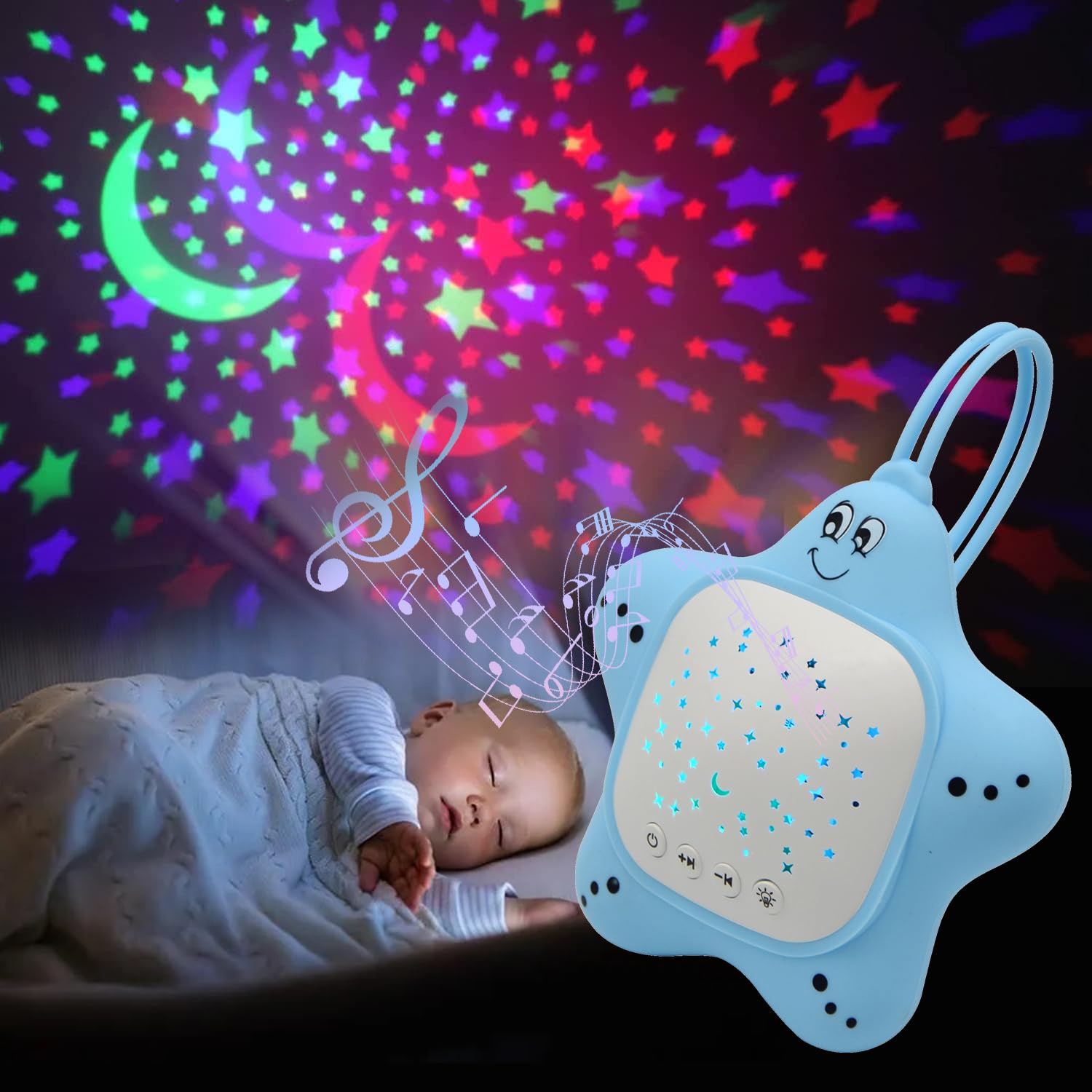
Soothing sound combinations give you the versatility to find what works best for your baby in different environments. White noise remains the gold standard for masking disruptive ambient sounds, but many infants respond better to pink noise, brown noise, or nature sounds like rainfall and ocean waves. A machine offering multiple sound profiles lets you match the output to the situation—deeper brown noise to block street traffic in a city hotel, or gentle shushing sounds for a quiet airplane cabin. Equally important are dimmable light options that serve as visual sleep cues. A soft amber or red nightlight signals bedtime without stimulating your baby’s brain the way blue-spectrum light does. The ability to adjust brightness means you can use just enough light to navigate nighttime feedings without fully waking your infant. Devices that combine customizable sound with adjustable warm lighting create a multi-sensory sleep environment your baby will recognize regardless of location.
How to Choose the Right Portable Infant Sleep Machine: A Step-by-Step Guide
Selecting the ideal portable infant sleep machine doesn’t need to feel overwhelming. By approaching the decision systematically, you can narrow your options quickly and confidently. Start by defining your primary travel scenarios—frequent flyers have different needs than families who mostly road-trip or visit grandparents. Once you understand how and where you’ll use the device most often, the right choice becomes much clearer.
Prioritizing Portability and Size
Begin by eliminating any device that would feel burdensome to carry. Pick up the machine and imagine holding it alongside a packed diaper bag, a car seat, and a squirming baby. If it doesn’t fit comfortably in your palm or clip securely onto a stroller handle, it’s not truly travel-friendly. Aim for devices weighing under half a pound with a profile no larger than a tennis ball or small disc. Rounded edges and solid construction matter because the machine will inevitably get tossed into bags, dropped on airport floors, or grabbed by curious little hands. Models with integrated clips or carabiner attachments earn extra points since they free up bag space and keep the device accessible without digging. If your travel involves flying, consider whether the device fits easily into a carry-on pocket for quick retrieval during descent when cabin noise peaks and babies often fuss.
Ensuring Ease of Use in Different Settings
A sleep machine is only helpful if you can operate it effortlessly under less-than-ideal conditions. Test the controls with one hand and in low light—can you adjust volume or switch sounds without looking at the device? Physical buttons with distinct tactile feedback often outperform touchscreens when you’re fumbling in a dark room. Consider how quickly the machine transitions from off to producing sound; devices that require navigating menus or connecting to an app introduce delays that matter when your baby is already crying. For hotel stays, confirm the volume reaches a level sufficient to mask hallway noise and slamming doors. For car travel, check whether the speaker projects clearly near the car seat rather than getting lost in road noise. Finally, think about memory functions—machines that automatically resume your last-used settings save precious seconds and eliminate guesswork each time you power on. The fewer steps between your baby fussing and the soothing sounds starting, the more effective the device becomes in real travel situations.
Practical Tips for Using an Infant White Noise Machine on the Go
Having the right device is only half the equation—using it strategically makes the real difference in your baby’s sleep quality during travel. Start by establishing your sound machine as part of the bedtime routine at home several weeks before your trip. When your infant already associates a specific sound and light setting with sleep, simply turning on the device in an unfamiliar room triggers that learned response. Consistency is your greatest ally here, so resist the temptation to experiment with new sounds while traveling. Stick with whatever combination works at home.
When you arrive at your destination, set up the sleep machine before attempting to put your baby down. Let the sound fill the space for a few minutes so the room feels familiar by the time you begin your wind-down routine. Position the device close enough to your baby’s sleeping area to effectively mask environmental noise, but maintain a safe distance of at least three feet to keep volume at ear-safe levels. In hotel rooms, placing the machine between the door and the crib helps block hallway disruptions. During flights, clip the device to the car seat or carrier and activate it during boarding when stimulation peaks. If your baby wakes during the night in a new environment, avoid turning on overhead lights—use the machine’s dimmable warm light to handle feedings or diaper changes while keeping the soundscape running continuously. For time zone adjustments, gradually shift your routine by thirty-minute increments while using the sleep machine as the consistent anchor that signals nighttime regardless of what the clock says outside.
Final Considerations and Making the Purchase Decision
Before committing to a specific portable infant sleep machine, take time to weigh a few final factors that influence long-term satisfaction. Set a realistic budget, but recognize that the cheapest option often sacrifices battery longevity or sound quality—two areas where cutting corners directly impacts effectiveness. Mid-range devices from established brands with dedicated mother and infant product lines, such as Momcozy, tend to offer the best balance of durability, features, and customer support. Read parent reviews with a critical eye, paying particular attention to feedback from travelers who describe real-world scenarios similar to yours. A glowing review from someone who only uses the machine at home tells you less than one from a parent who tested it across multiple flights and hotel stays.
Whenever possible, test the device before your trip rather than unboxing it at the airport. Run it overnight to verify battery claims, experiment with sound combinations to identify your baby’s preferred settings, and practice operating it one-handed in the dark. Check the return policy in case the machine doesn’t meet expectations once tested under realistic conditions. Ultimately, the right purchase solves a specific problem: helping your infant sleep consistently despite the disruptions travel introduces. Keep that goal central, avoid being swayed by flashy features you won’t actually use, and choose the device that fits your family’s travel style with the least friction. A well-researched decision now saves countless sleepless nights on future trips.
Choosing the Best Portable Sleep Machine for Restful Travel
Choosing the right portable infant sleep machine for travel comes down to understanding your family’s specific needs and matching them with a device built for life on the move. Portability isn’t just about small size—it means a machine lightweight enough to clip onto a stroller, durable enough to survive being tossed into a diaper bag, and intuitive enough to operate one-handed in the dark. The features that matter most are long battery life that lasts through overnight sleep without recharging, soothing sound combinations versatile enough to mask everything from airplane engines to hotel hallway noise, and dimmable warm light options that serve as consistent bedtime cues no matter where you are. By following a systematic selection process—evaluating size, testing ease of use across different settings, and confirming real-world battery performance before departure—you eliminate guesswork and invest in a tool that genuinely supports your baby’s sleep. Travel with an infant will always require extra planning, but a well-chosen sleep machine removes one of the biggest variables from the equation. Take the time to research, test at home, and choose deliberately. Your future self, rested and confident in an unfamiliar hotel room with a peacefully sleeping baby, will thank you.