



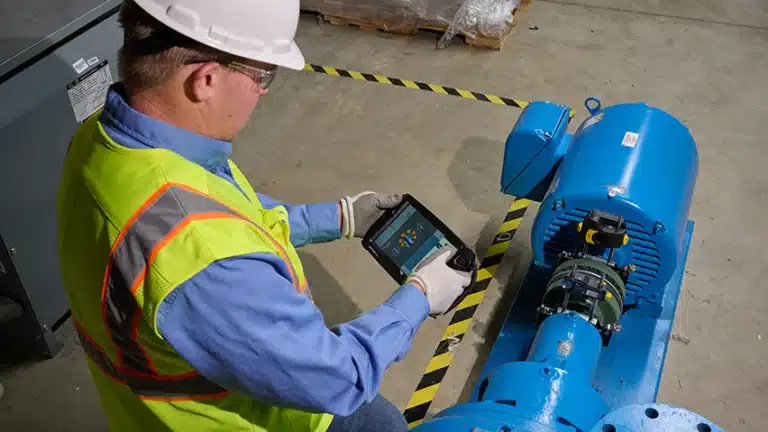
The landscape of industrial machinery maintenance has undergone significant transformation in recent years, primarily driven by advancements in technology. Among these, the development and refinement of laser alignment tools stand out. These tools are critical for ensuring the optimal performance of machinery by achieving precise alignment, which in turn, reduces wear and tear, increases efficiency, and prolongs the lifespan of machinery components. In 2024, several groundbreaking innovations have further enhanced the capabilities of these vital tools.
The Evolution of Laser Alignment
Laser alignment technology, particularly used for shaft alignment, has evolved from simple laser pointing mechanisms to sophisticated systems equipped with detailed analytics and diagnostics. These tools have become indispensable in industries such as manufacturing, automotive, and energy, where precision machinery alignment is critical to operational efficiency.
What’s New in 2024?
This year has introduced a range of enhancements that have set new standards in alignment technology. Let’s delve into some of the key advancements:
Enhanced Precision and Accuracy
The latest laser alignment tools now feature improved laser modules that provide even greater accuracy in measurements. These enhancements are crucial in environments where even the smallest misalignment can cause significant operational disruptions and equipment damage.
Integrated Software Solutions
Modern laser alignment tools are not just about hardware; the software that powers these tools has also seen significant upgrades. The new software solutions offer more intuitive user interfaces, comprehensive data management systems, and advanced analytical capabilities that allow for quicker diagnostics and more precise adjustments.
Increased Adaptability and Versatility
The versatility of laser alignment tools has also expanded, with newer models capable of handling a broader range of machinery sizes and types. This adaptability ensures that businesses can use a single tool across multiple machines, reducing both the cost and complexity of maintaining various specialized tools.
Enhanced Connectivity Features
Connectivity has become a central feature of modern industrial tools, and laser alignment tools are no exception. The 2024 models include features like wireless data transfer, integration with mobile devices, and cloud-based data storage, which enhance the ease of use and accessibility of critical alignment data.
Sustainability in Design
As industries become more conscious of their environmental impact, there has been a push towards designing tools that are not only effective but also sustainable. The latest alignment tools use materials that are more durable and energy-efficient, contributing to a lower environmental footprint.
Real-World Applications of Advanced Laser Alignment Tools
In practical terms, the advancements in laser alignment tools translate to significant benefits for industries. Here are a few examples:
- Power Generation: In power plants, precise alignment of turbines and generators is crucial. The advanced laser alignment tools help maintain the alignment within strict tolerances, thus preventing unnecessary friction and heat that can lead to failures.
- Manufacturing: For assembly lines, misalignments can lead to product defects and machine downtime. Advanced laser alignment tools ensure that all components are perfectly aligned, thus maximizing production uptime and quality.
- Automotive: The automotive industry benefits from these tools through more precise alignment of robotic armature and conveyor systems, ensuring that the assembly processes are as efficient as possible.
Seeking Expertise in Laser Alignment
Despite the advancements in technology, the expertise in using these tools effectively plays a crucial role. It’s essential for companies to partner with experts who not only provide the tools but also the necessary training and support. For example, for precision laser shaft alignment, seeking out industry leaders can significantly impact the effectiveness of the alignment process.
Conclusion
The field of laser alignment is witnessing rapid growth, with each year bringing new improvements that redefine what these tools can achieve. The innovations of 2024 represent a leap forward in making machinery maintenance more efficient, precise, and sustainable. As industries continue to embrace these advancements, the reliance on cutting-edge laser alignment tools is set to increase, paving the way for a future where downtime is minimized, and machinery lifespan is maximized. The ongoing development in laser alignment tools is a testament to the commitment to excellence and innovation in the field of industrial maintenance.


