



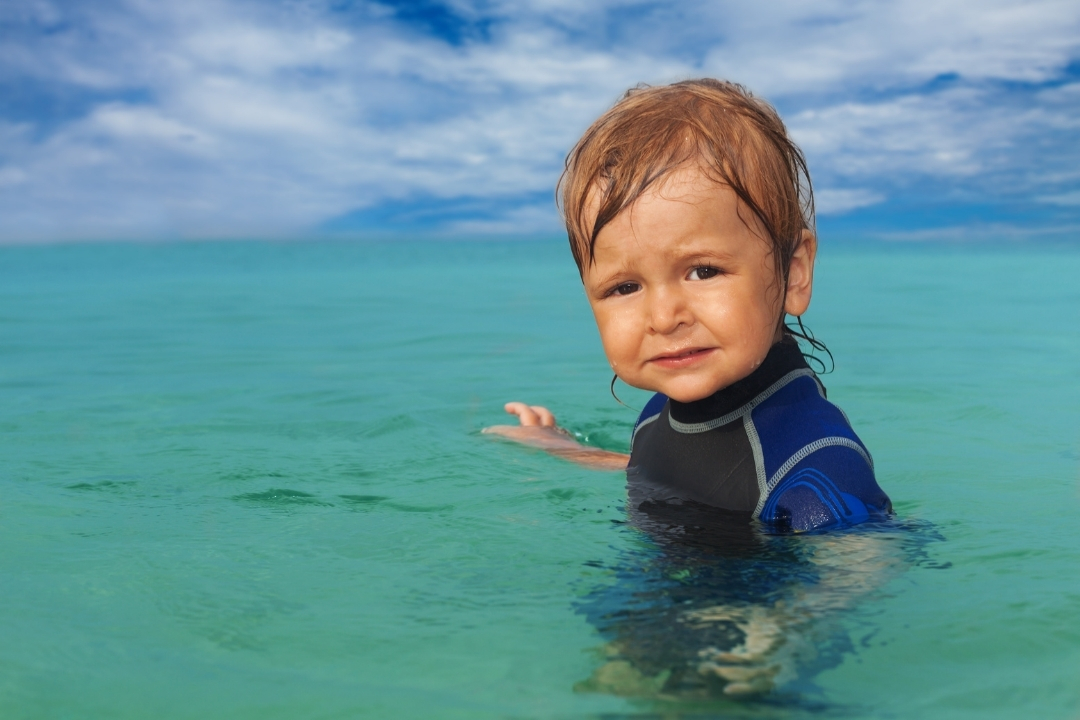
Engaging in water sports is a delightful experience for individuals of all ages, extending an array of health benefits and opportunities for family bonding. Water sports provide both a thrilling adventure and a platform for developing swimming skills, especially for young enthusiasts. However, to ensure that children are safe and comfortable while they partake in these activities, it’s critical to equip them with the right gear. One of the essential items in a child’s water sports attire is a wetsuit. This guide will navigate you through the considerations to bear in mind when selecting kids wetsuits for your young ones.
Understanding the Importance of Wetsuits
Before delving into the selection process, it’s important to comprehend why wetsuits are a fundamental component of a child’s water sports gear. Wetsuits provide thermal insulation, keeping the body warm in cold water conditions. They also offer a protective barrier against UV rays and help to minimise the risk of scrapes and stings from marine life. Furthermore, wetsuits can enhance buoyancy, which might aid beginner swimmers in staying afloat.
Material Matters: Neoprene and its Benefits
The primary material used in wetsuit construction is neoprene, a synthetic rubber that exhibits excellent insulation properties due to tiny gas bubbles embedded within its structure. Neoprene is also flexible, which allows for a range of motion crucial for swimming and other activities. Ensure the wetsuit you choose for your child utilises a high-grade neoprene to maximise these benefits.
Thickness and Temperature: Finding the Balance
Wetsuits come in various thicknesses, measured in millimetres. The choice of thickness should be influenced by the water temperature in which your child will be swimming. A thicker wetsuit is ideal for colder waters, offering greater warmth, while a thinner wetsuit is suited for milder conditions. It’s all about finding the right balance between insulation and mobility.
Finding the Right Fit
The fit of a wetsuit is paramount for its effectiveness. A wetsuit should fit snugly, like a second skin, without restricting movement. It should not be too tight, as this can cause discomfort and inhibit breathing, nor should it be too loose, as excess material can permit water flow, which reduces the wetsuit’s ability to keep the body warm. An appropriate fit also ensures the longevity of the wetsuit, as it prevents undue stress on the seams and material.
Style Options: Full Suit or Shorty?
Kids wetsuits come in different styles, including full suits, which cover the entire body, and shorties, which cover the torso and partial limbs. Full suits are ideal for colder environments, providing comprehensive coverage. Shorties are better suited for warmer climates or during summer months, where the water and air temperatures are more forgiving.
Additional Features to Consider
Beyond material, thickness, and style, there are additional features to consider. Look for wetsuits with flatlocked seams which enhance comfort and durability. A wetsuit with a zipper guard can prevent chafing, while adjustable neck closures can optimise neck comfort. Reflective elements for visibility and reinforced knees for durability might also be worth considering, depending on the intended water sports.
UV Protection and Safety
Protection against the sun’s harmful UV rays is crucial. Many wetsuits come with built-in UV protection, reducing the need for frequent sunscreen reapplication. Safety should be a top consideration, so wetsuits with bright colours that ensure your child is easily visible in the water can be an excellent choice.
Maintenance and Care
Proper care can greatly extend the life of a wetsuit. Rinse the wetsuit with fresh water after every use to remove salt, chlorine, and any other elements that could degrade the neoprene. Allow it to dry fully inside out, away from direct sunlight to prevent UV damage. Store the wetsuit flat or hung on a wide hanger to avoid creases and maintain its shape.
Try Before You Buy
If possible, have your child try on different wetsuits to find the best fit. This allows you to see firsthand how the suit conforms to their body and how comfortable they are while wearing it. It also gives you the chance to check the quality of the wetsuit’s construction.
Price vs Quality
When it comes to choosing a wetsuit, quality should never be compromised for the sake of price. A higher-priced item generally indicates better-quality materials and construction, which can offer improved insulation, durability, and comfort. However, do scrutinise if the features justify the expense, and ensure it meets all the necessary criteria for a safe and enjoyable experience for your child.
Final Considerations
In summarising, selecting the right wetsuit for your child involves taking into account material quality, suit thickness, fit, style, additional features, and safety aspects. While the initial choice can be overwhelming, focusing on these key factors will ensure that you provide your child with a suit that is not only comfortable and safe but also durable.
Begin your search for the perfect wetsuit by exploring a variety of options, and remember, the end goal is making those family water sports experiences as enjoyable and memorable as possible. By investing in a quality wetsuit, you are investing in your child’s comfort, safety, and the joy of countless aquatic adventures. Discover an extensive range of high-quality kids wetsuits to ensure your child makes the most of their water sports endeavours.
Make the Right Choice
Choosing the right kids wetsuit is an investment in your child’s water sports activities. By following this essential guide, you can make an informed decision that will provide your child with maximum enjoyment and protection as they make a splash.


