



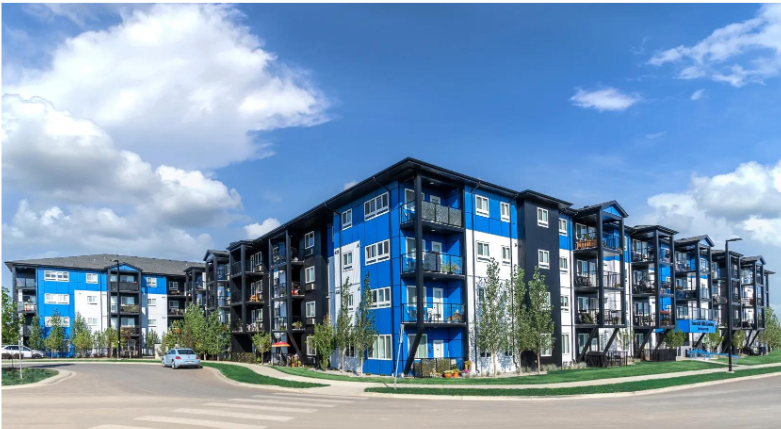
Multi-family real estate investing in Canada is built around one simple idea: people need places to live, and rental housing continues to play an important role in Canadian communities.
For investors, multi-family properties can offer a practical way to participate in real estate without relying on a single tenant or a single standalone house. These properties may include duplexes, townhome communities, low-rise apartments, or larger apartment buildings.
What Multi-Family Real Estate Means
Multi-family real estate refers to residential properties with more than one rental unit. Instead of one household occupying the entire property, several tenants live in separate units within the same building or property group.
This structure can create a more stable income than a single rental home. If one unit becomes vacant, the entire property does not stop producing rent.
Common examples include:
- Duplexes and triplexes
- Small apartment buildings
- Large rental apartment communities
- Mixed-use buildings with residential units
- Townhome rental developments
Why Canada’s Rental Market Matters
Canada has seen steady demand for rental housing in many cities and growing communities. Population growth, affordability challenges, immigration, and lifestyle preferences have all contributed to more people renting for longer periods.
Buying a home is not possible or preferred for every household. Many people choose rentals because they need flexibility, want to live near work, or are not ready for the cost of ownership.
This demand is one reason investors pay attention to multifamily real estate investing as part of a long-term real estate strategy.
Income Potential and Risk Spread
A key benefit of multi-family properties is income diversification within a single asset. With several units, rent comes from multiple households rather than one source.
This does not remove risk, but it can help reduce the impact of vacancy. Investors working with the BCG Real Estate Team often consider multi-family properties because, if a single-family rental loses its tenant, income may drop to zero until a new tenant moves in. In a multi-family property, other occupied units can continue producing income.
Investors may also benefit from operational efficiencies. Maintenance, property management, insurance, and improvements can often be handled across several units in one location.
Professional Management Matters
Multi-family properties require careful management. Tenants need support, buildings need repairs, and operating costs must be controlled.
Strong management can make a major difference in performance. This includes setting fair rents, maintaining the property, managing leases, handling tenant concerns, and planning capital improvements.
Poor management can hurt returns, even in a strong rental market. Investors should always look at who is managing the asset and how experienced they are.
Access Without Direct Ownership
Not every investor wants to buy and manage an apartment building directly. The cost can be high, financing can be complex, and daily operations take time.
A private real estate investment may give investors access to professionally managed multi-family assets without becoming landlords themselves. This structure can be useful for people who want real estate exposure but prefer a more hands-off approach.
What Investors Should Review
Before investing, it is important to look beyond the general appeal of rental housing. Investors should review:
- Property locations
- Occupancy levels
- Debt and financing terms
- Management experience
- Fee structure
- Distribution policy
- Redemption or liquidity rules
- Risks listed in the offering documents
Multi-family real estate can be a useful part of a diversified plan, but it should still match the investor’s goals, time horizon, and comfort with risk.


