



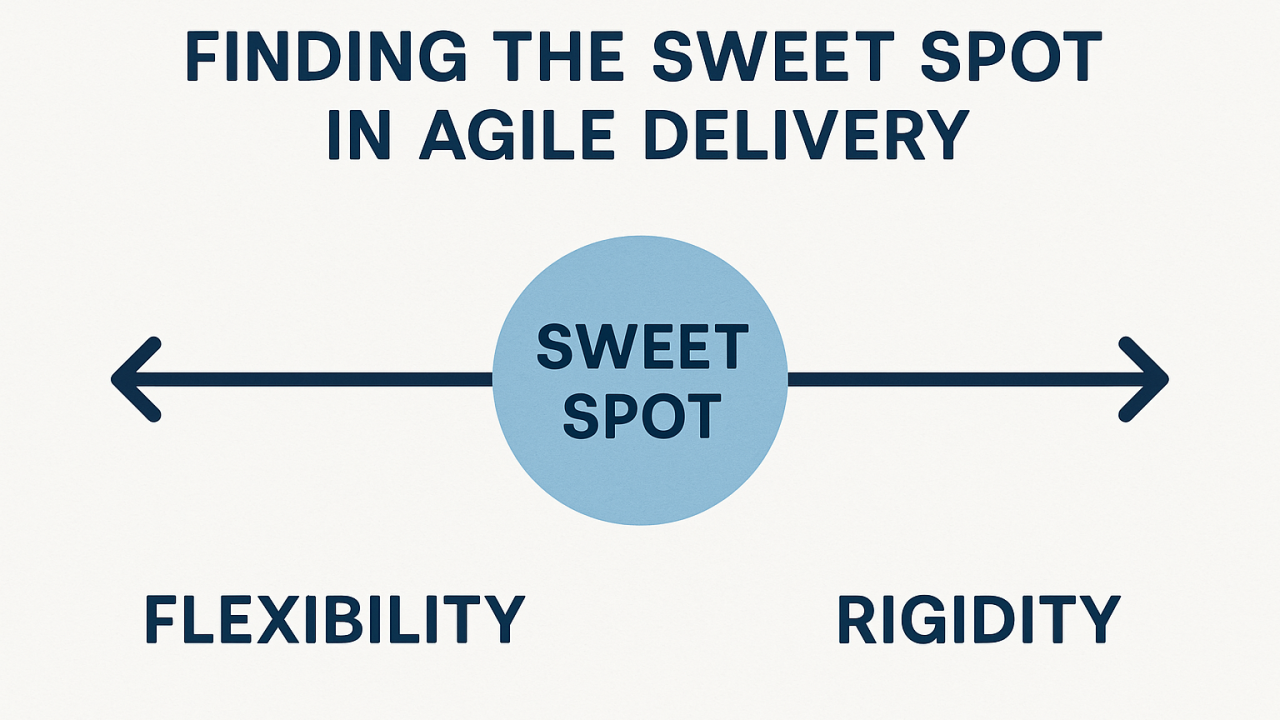
Modern life often pushes people toward extremes. On one side is the pressure to accumulate more: more money, more possessions, more proof that life is on track. On the other side is the constant encouragement to stay productive, keep moving, and achieve the next milestone. Caught between having and doing, many people end up exhausted or unfulfilled.
This tension becomes especially clear during moments of financial stress. For example, someone exploring options like personal loan debt relief might realize that chasing possessions or constant productivity contributed to their burnout. The problem is not ambition itself but the imbalance between acquiring and experiencing.
Finding the sweet spot between having and doing creates a healthier rhythm. Instead of measuring life only by accumulation or constant action, you learn to blend intentional effort with meaningful rest.
Understanding the Two Modes of Living
People naturally oscillate between having and doing. Having represents stability, resources, and comfort. It includes everything from a home and savings to emotional security and routines. Doing represents movement, growth, and exploration. It includes work, creativity, relationships, and acts of purpose.
Both modes matter. Issues arise when life leans too heavily toward one or the other.
Too much having can lead to stagnation. When comfort becomes the priority, curiosity and growth shrink.
Too much doing can lead to burnout. When productivity becomes the measure of worth, rest becomes an afterthought.
The sweet spot lies in understanding that fulfillment comes from weaving the two together rather than choosing between them.
Mindfulness practices often speak to this idea, reminding people that presence and action are not opposites. You can act with intention while staying grounded in the moment. You can enjoy what you have without clinging to it.
Why Many People Lean Too Far Toward Having
Material accumulation is a powerful cultural signal of success. Society often equates possessions with safety, belonging, and achievement. This creates pressure to keep acquiring even when the pursuit no longer aligns with personal values.
The problem is that having is passive. It provides comfort but does not generate meaning. A person can have a full closet, a beautiful home, and a healthy savings account but still feel empty if those possessions are not connected to experiences or purpose.
Psychologists studying well being, such as those whose work appears through the Greater Good Science Center at the University of California Berkeley consistently find that experiences create more lasting fulfillment than possessions. Experiences deepen identity and connection, while possessions typically offer shorter bursts of satisfaction.
Having is valuable, but without doing, it can quickly become hollow.
Why Others Lean Too Far Toward Doing
On the flip side, many people get caught in endless cycles of productivity. They measure worth by accomplishments, to do lists, and external validation. They chase busyness as proof that they are moving forward.
Doing without balance creates an adrenaline fueled lifestyle that feels purposeful moment to moment but eventually leads to exhaustion. When rest is neglected, doing loses its meaning. Tasks become automatic rather than intentional. Creativity fades. Burnout grows.
This imbalance is especially common in high achievement cultures or among people who feel financial pressure to constantly strive. The Centers for Disease Control and Prevention has published research on workplace stress and burnout, which contributes significantly to mental and physical health challenges. Purposeful action becomes sustainable only when paired with periods of rest, reflection, and presence.
The Power of Integrating Having and Doing
The sweet spot lies not in choosing one mode over the other but in allowing each to support and enrich the other.
Having supports doing. When people have stability, whether emotional or financial, they are more willing to take purposeful risks. A savings buffer can encourage career shifts. A supportive home environment can nurture creativity.
Doing enhances having. When people engage meaningfully with life, their possessions and accomplishments feel more purposeful. A home becomes a place of connection, not just storage. Money becomes a tool for experiences, not the end goal.
This integration creates a sense of harmony. You feel grounded enough to act and active enough to grow.
How to Recognize When You Are Out of Balance
Imbalance often reveals itself through subtle emotional cues:
If you feel bored or stuck, you may be overly focused on having.
If you feel overwhelmed or restless, you may be overextended in doing.
If you feel detached from your accomplishments, you may be acting without intention.
If you feel afraid to take action, you may be anchored too heavily in comfort.
These signs are not failures. They are signals that recalibration may be needed.
Practical Ways to Find the Sweet Spot
You can restore balance between having and doing with small, intentional shifts:
Reflect on your values. Clarify what actually brings meaning to your life rather than chasing societal expectations.
Reevaluate your possessions. Ask whether they support experiences and growth or simply take up space.
Create moments of presence. Slow down enough to appreciate what you already have before pursuing more.
Choose purposeful actions. Focus on activities that align with your goals, not just your habits.
Build rest into your routine. Rest is not the opposite of productivity. It is what makes productivity possible.
Balance comes not from perfect proportions but from intentional awareness.
Why This Balance Matters for Long Term Fulfillment
Life becomes richer when having and doing support each other. Comfort provides the foundation for courage. Effort provides meaning for stability. When you operate in this integrated state, you stop chasing extremes and start cultivating alignment.
You also develop a healthier financial mindset. Instead of accumulating for security alone or spending impulsively to escape stress, you make choices that reflect who you are and what you want your life to feel like.
Finding the sweet spot between having and doing is ultimately about learning to live with purpose and presence. It invites you to enjoy what you have without being defined by it and to pursue what matters without losing yourself in the process.
When these two forces work together, fulfillment becomes not something you chase but something you create.


