

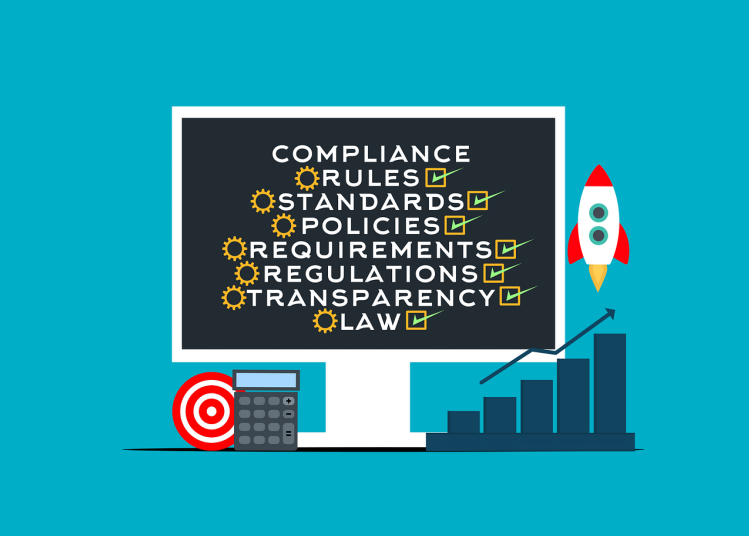
Compliance audits are a must tool for revealing any deviation from the set industry regulations, legal requirements, and organizational policies. These audits not only assist in the recognition of possible vulnerable areas regarding compliance but also assist in avoiding possible risks in the event of a breach in regulations. Co-integrated, the following guidelines will ensure that a compliance audit is effective in protecting the organization’s reputation and avoiding fines. Read this blog to find perspectives on an ideal annual compliance audit that can help your organization’s compliance function.
Understanding the Importance of an Annual Compliance Audit
An annual compliance audit is a systematic review of an organization’s adherence to regulatory guidelines and internal policies. This audit helps in identifying gaps in compliance, ensuring that all operational activities meet the required standards. Regular audits are crucial for maintaining transparency, accountability, and regulatory adherence. They also provide an opportunity for continuous improvement in compliance practices, thereby fostering a culture of compliance within the organization.
Tip 1: Define the Scope and Objectives
First and foremost, when engaging in a prospective compliance audit, it is crucial to determine the aims and goals. Identify in advance the scope of the issue, that is which part of the company is going to be audited and what particular regulation or standard is going to be checked. This entails determining compliance risks pertinent to your sector for example rules on data protection, financial laws, or preserved environments. The auditing scope definition helps to avoid situations when the audit either lacks concentration or covers too many issues.
Tip 2: Develop a Detailed Audit Plan
Another factor that is important in the success of the particular type of compliance audit is the proper development of the audit plan and its specifics in great detail. The plan should show how the process of the audit itself will be conducted, such as timelines, the resources to be used, and who will be responsible for overseeing it. Some of the considerations that perhaps should be made include the division of the responsibilities of the numerous tasks that are usually involved in an audit among the members of the audit team. While an audit plan is a roadmap of what needs to be done, it also ensures that nothing is left out of the process by providing the audit team with clear guidelines on what needs to be done step by step.
Tip 3: Gather and Review Relevant Documentation
Assembling all the necessary documentation to be reviewed in the process of the audit before the commencement of the task. This includes policies and procedures, records, and review of work papers from prior audits. This document sheds light on the audit team on the current state of compliance as well as matters that may be already in existence within the organization. Make sure that there is order of documents and ease of accessing them as this will facilitate the audit process.
Tip 4: Conduct Interviews and Surveys
It shows that interview and survey methodologies are still effective in assessing compliance within the organization. Interview the concerned human resources as well to analyze their roles in the compliance processes. They involve the process by which several questions are presented to a larger number of employees and thus can offer a more generalized view of the organization’s compliance culture. Such interactions also assist in identifying possible areas of non-compliance and ‘reception’ of the ongoing methods.
Tip 5: Perform Detailed Testing and Analysis
Another important aspect to identify when coming up with the compliance audit is the need to undertake some tough and rigorous testing and analysis of the compliance program. This includes examining transactions, processes, and controls, which enable the identification of those that do not meet the set standards of regulation and company policies. Dive into testing a sample, which is a representative set of data because you need to find patterns and inconsistencies. Understanding the outcomes of these assessments then indicates the current status of the organization’s compliance and also indicates what aspect needs to be worked on.
Tip 6: Document Findings and Recommendations
Upon the completion of the audit, it is necessary to record the results and Develop Courses of Action for each of the weaknesses, risks, or threats discovered during the audit exercise. The audit report should consist of a summary of the audit scope and approach, method of analysis, and major conclusions, along with specifics of the efficiencies to be expected. Decision-makers can distinctly and effectively comprehend the audit outcomes through effective documentation to implement changes that improve compliance levels.
Tip 7: Follow Up on Audit Recommendations
Probative auditing should also include a follow-up inspection to see whether the recommendations made have been implemented or not. Create an implementation plan that will detail the measures that need to be taken to execute the recommendations and an accountability matrix that will show who will be responsible for which action. It can also be useful to schedule recurrent follow-up meetings with the team to be able to monitor the progress in question, as well as to confirm proper implementation of the corrective actions.
Conclusion
The most important aspect of a compliance audit is demonstrated below to provide a credible litmus test for ascertaining compliance in organizations. This way, organizations will be able to have a well-coordinated and effective annual compliance audit and this involves; Defining the scope and objectives, Developing the audit plan, Assembling the documents, conducting interviews/surveys, Auditing exercises, Documentation of findings made, and Follow up of the recommendations made. Not only do these audits assist in the inspection of low compliance but also in the cultivation of a positive culture of remediation and improvement.
